The standing appointment
Twice a week, a court with my name on it. On squash as geometry and deception at sprint pace, why a game is the only exercise contract I've ever kept, and the year my leg made me earn it back.
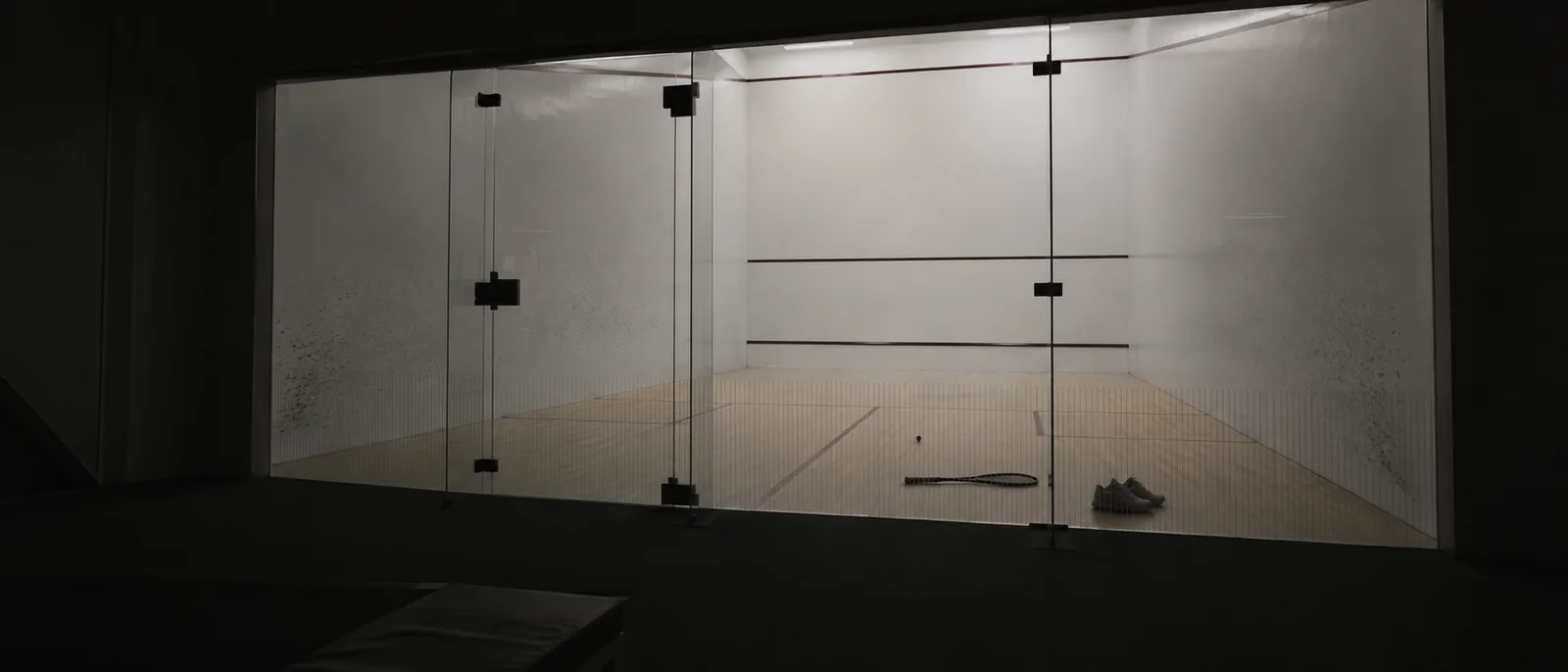
Twice a week, at the same hours, there is a court somewhere in this city with my name on it, and I am at the age and the schedule where that sentence does more work than any amount of motivation ever could. Squash is my sport, has been for a couple of years, and I want to write down why, partly because it's the best game almost nobody watches, and partly because it took me an embarrassing number of years to figure out what I actually needed from exercise, and the answer was standing in a glass box the whole time.
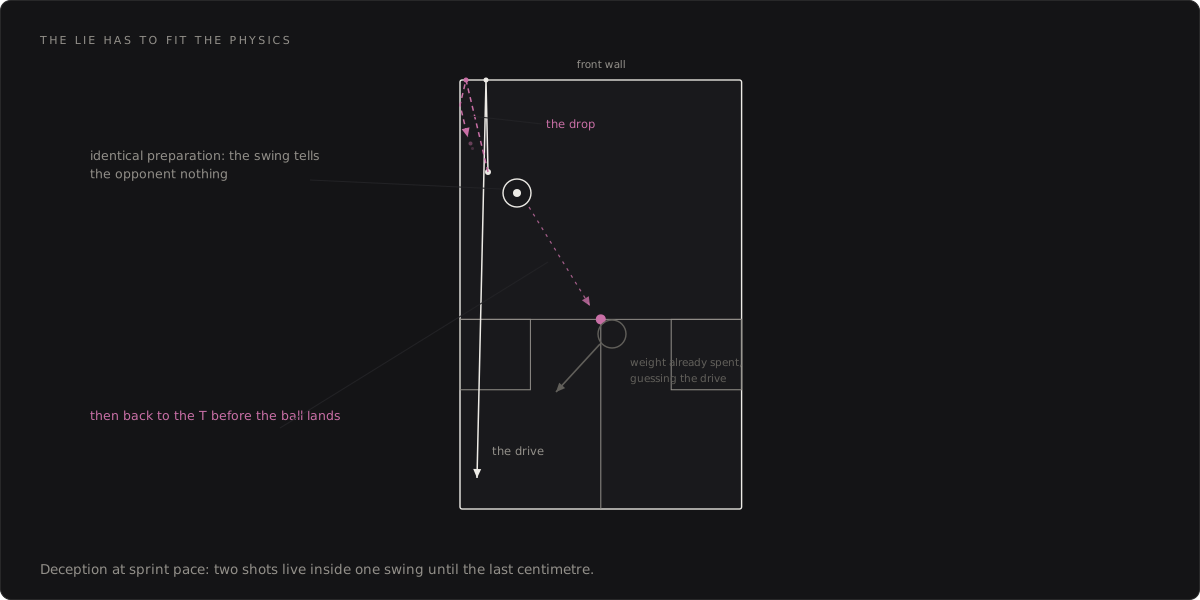
Start with the game, for the uninitiated, because its strangeness is the point. Two players share the same territory. Not opposite ends of a net: the same actual floor, taking turns to occupy the centre and vacate it, orbiting each other in a space about the size of a generous living room. The ball can be hit hard enough that it arrives before your plan does, and the front wall returns everything, which means a rally isn't a series of events so much as a continuous argument conducted in angles. The revelation, when you get past the flailing stage, is that the hardest-hit shot is rarely the best one. The best shot is the one that makes the next shot yours: the drop that drags your opponent forward, the lob that buys your lungs three seconds, the tight drive that glues itself to the side wall and dies. And above all of it, deception, the actual dark art of the game: the same backswing concealing four different shots until the last possible flicker of the wrist, so that a good player isn't reading the ball, they're reading a body that is actively lying to them. People call it chess at sprint pace and the comparison is earned, with the correction that in this version of chess you are also the piece, and the piece has a heart rate.
Then there's what the game is for, in my life specifically, and here I owe you a confession about the previous regime. There was a period, years back, when my exercise was bodybuilding, done properly and taken much too seriously, and I got exactly what I ordered: I got big, and I got a comprehensive education in why that path was wrong for me. The problem with lifting, for a head like mine, is that the scoreboard is the mirror, which means the project never ends and the subject is always you. Every session is an audit of yourself. A game abolishes all of that in one move. A game ends. It has a score. When I lose 3-1 the loss is about the drop shot I kept falling for like it was the first time, a specific, fixable, external fact, and not a referendum on anything. The fitness arrives anyway, smuggled in as a side effect of wanting to win rallies, which turns out to be the only contract under which exercise and I stay on speaking terms. I don't have the discipline to exercise indefinitely. I have endless appetite for trying to beat someone, and the cardio comes free with that. Know your engine.
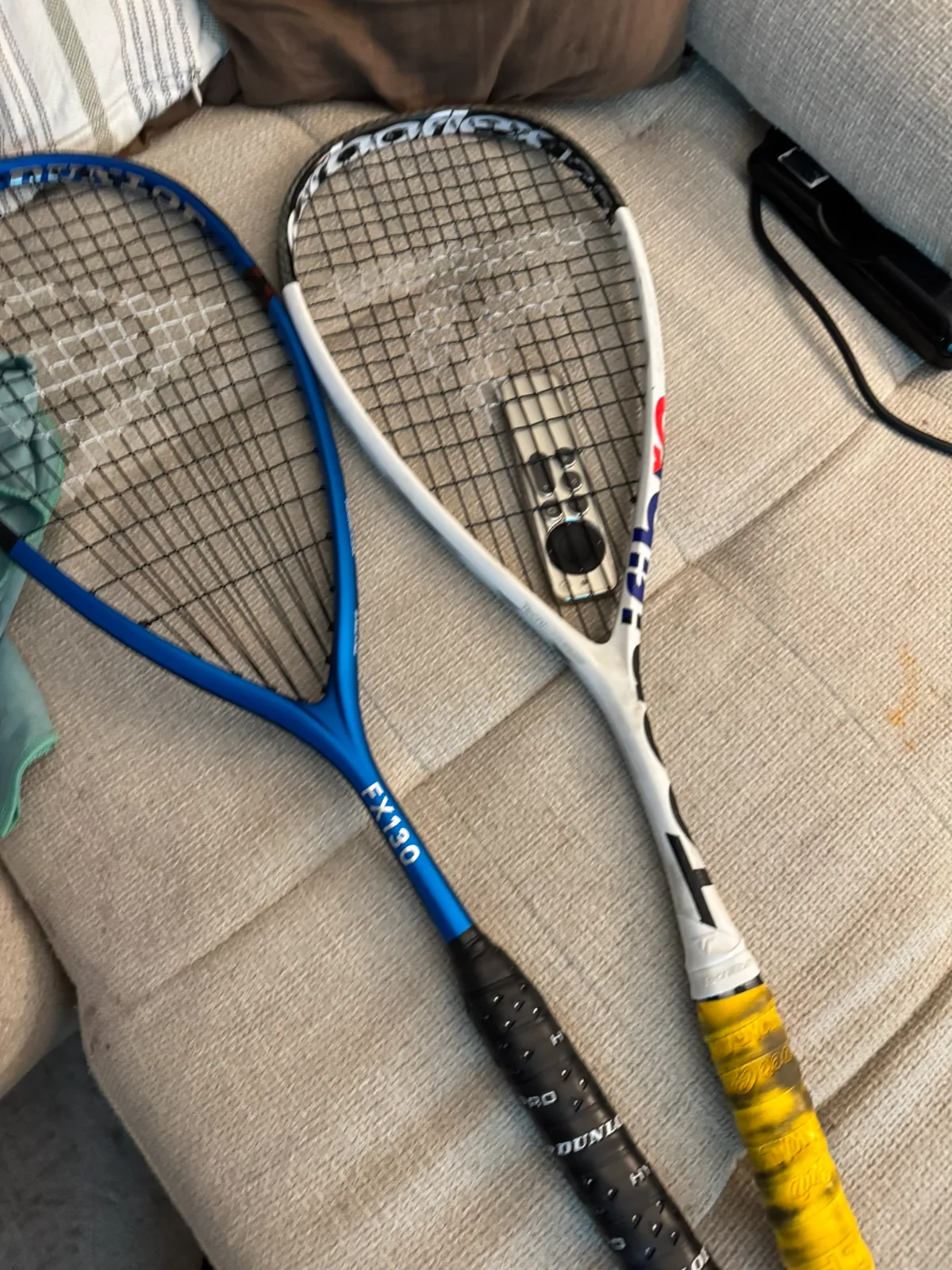
The ritual does as much work as the game. Adult exercise doesn't survive on enthusiasm; enthusiasm is weather. It survives on structure, and the structure here is beautifully simple: a recurring booking and another human expecting me. That's it. That's the whole machine. On the days I'm keen, the court is there. On the days I'd cancel anything cancellable, the court is there, pre-decided, socially binding, and I go, and I have never once regretted going, which after enough years becomes its own quiet data point about which of my two selves to listen to at 5pm.
Last year, the machine got stress-tested, because my right leg went wrong in a way I've written about properly on the clinical side of this site, and the appointment went unkept for months. I expected the comeback to be about fitness. It wasn't, mostly. The lungs returned on schedule and the reading never left; I could still see the rally two shots ahead. What returned last, and slowest, was trust. It turns out that lunging hard onto a leg is an act of faith so automatic you've never once noticed yourself performing it, until the first time your body tables a motion to discuss it mid-rally. Rebuilding that took longer than any muscle: rally by rally, one uncontested lunge at a time, until some unremarkable Sunday when I chased down a drop shot I had no business reaching and realised, a point later, that no committee had convened. Nothing about the leg announced its recovery. It just stopped being an agenda item, which I've learned is how recovery actually sounds: like nothing.
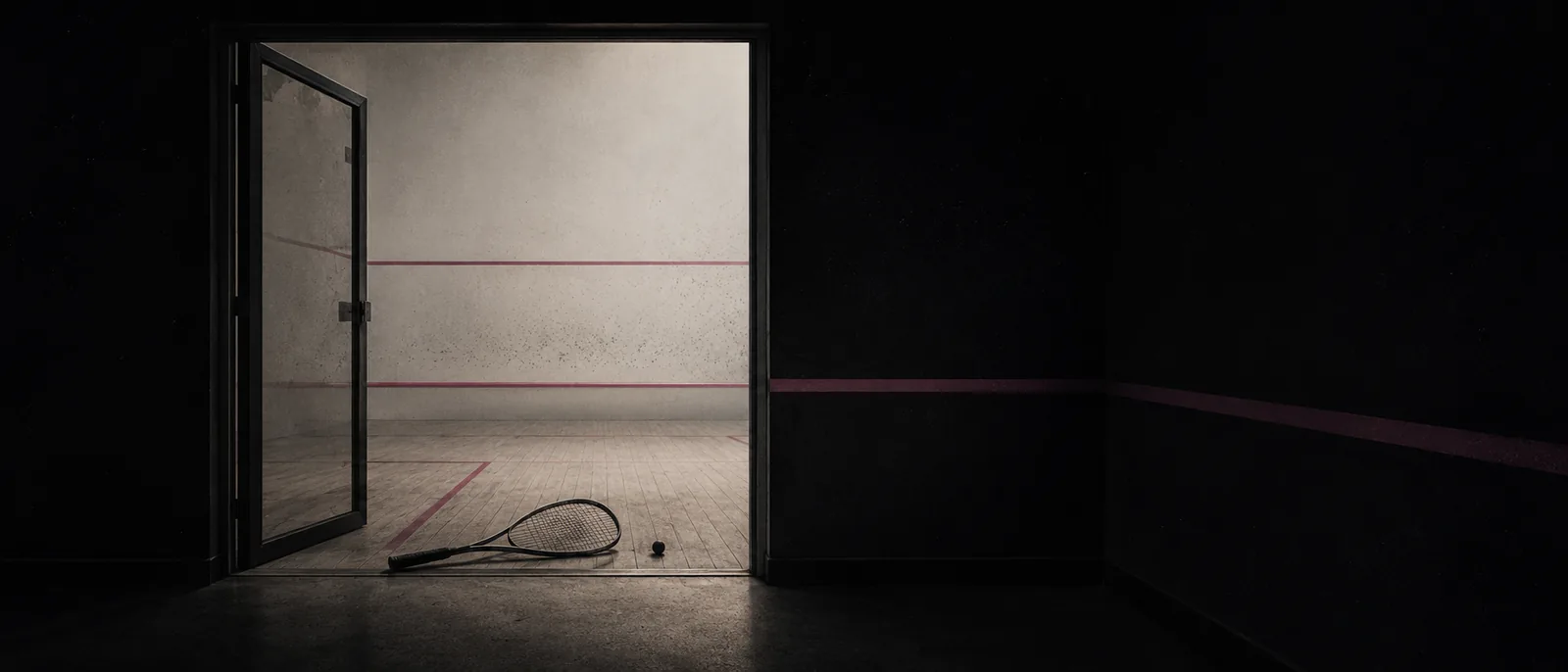
So the appointment stands, twice a week, and I understand now what I'm actually paying for. Not fitness, though it comes. Not even the game, though it's a great one. It's the arrangement itself: one carved-out, pre-committed, undramatic slot where the only problem in the world is a small black ball's next angle, opposite someone trying to lie to me with a backswing. The front wall has never once failed to return a serve. It doesn't tire, doesn't flatter, holds no opinions, and will outlast every player who ever hits against it. There's something I find genuinely settling about a game built around an opponent like that. You can't beat the wall. You can only play the person reading it with you, and book the same time next week.
Prefer the full experience? Read this essay in the house. Machine-readable: markdown source.