Four languages in various states of repair
English does the living, Azeri holds the childhood, Turkish came free with the layover, and Farsi I can hear but not speak. An inventory of a mind with four tongues in different conditions.
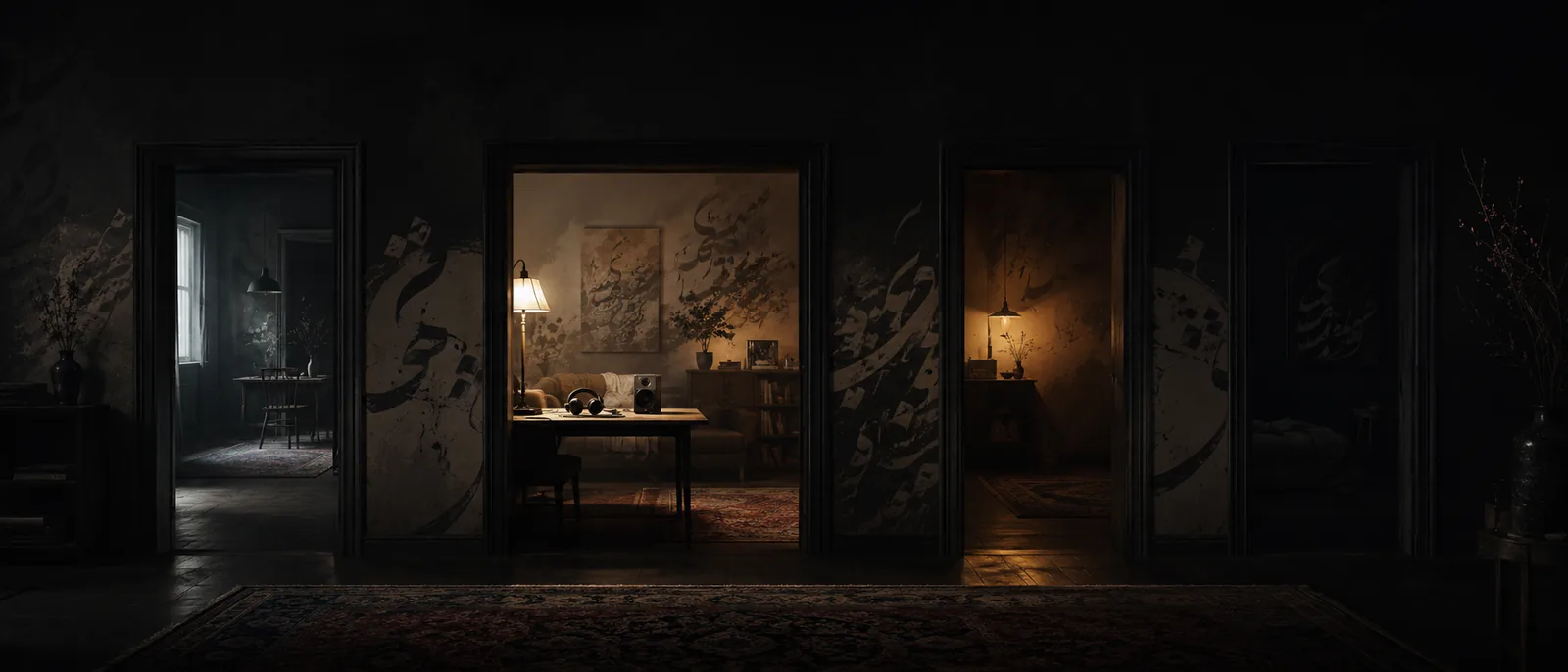
I own four languages, and only one of them does the heavy lifting. English does everything: the work, the writing, the arguing, the thinking, the narration that runs underneath the thinking. The other three live in me in various states of repair, like instruments on a wall. One I can still play. One plays a little rough but holds tune. And one I can hear perfectly, every note of it, and cannot play at all.
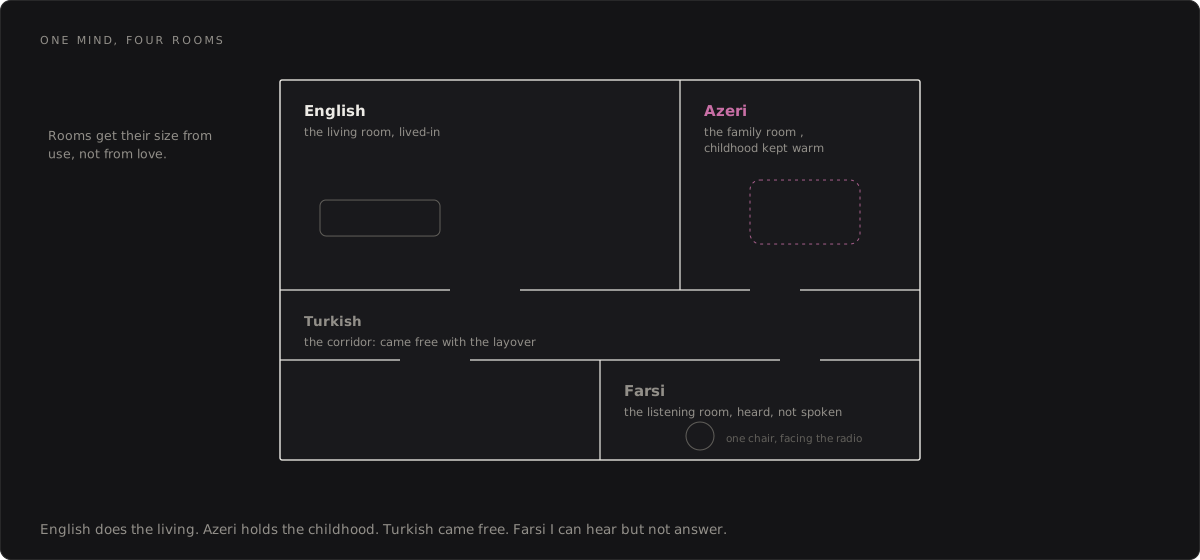
The inventory is an accident of timing. I was born in Tabriz, in the Azeri-speaking north-west of Iran. We left when I was about one, spent a couple of years in Turkey, and landed in Australia at three. The whys of all that are my parents' story more than mine, and this isn't that essay. The part to hold onto is the arithmetic: the move happened directly on top of the years a brain does its heaviest language acquisition, so I remember none of it. There are no memories of Tabriz, none of Turkey, nothing to consult. The whole migration is recorded in wiring instead.
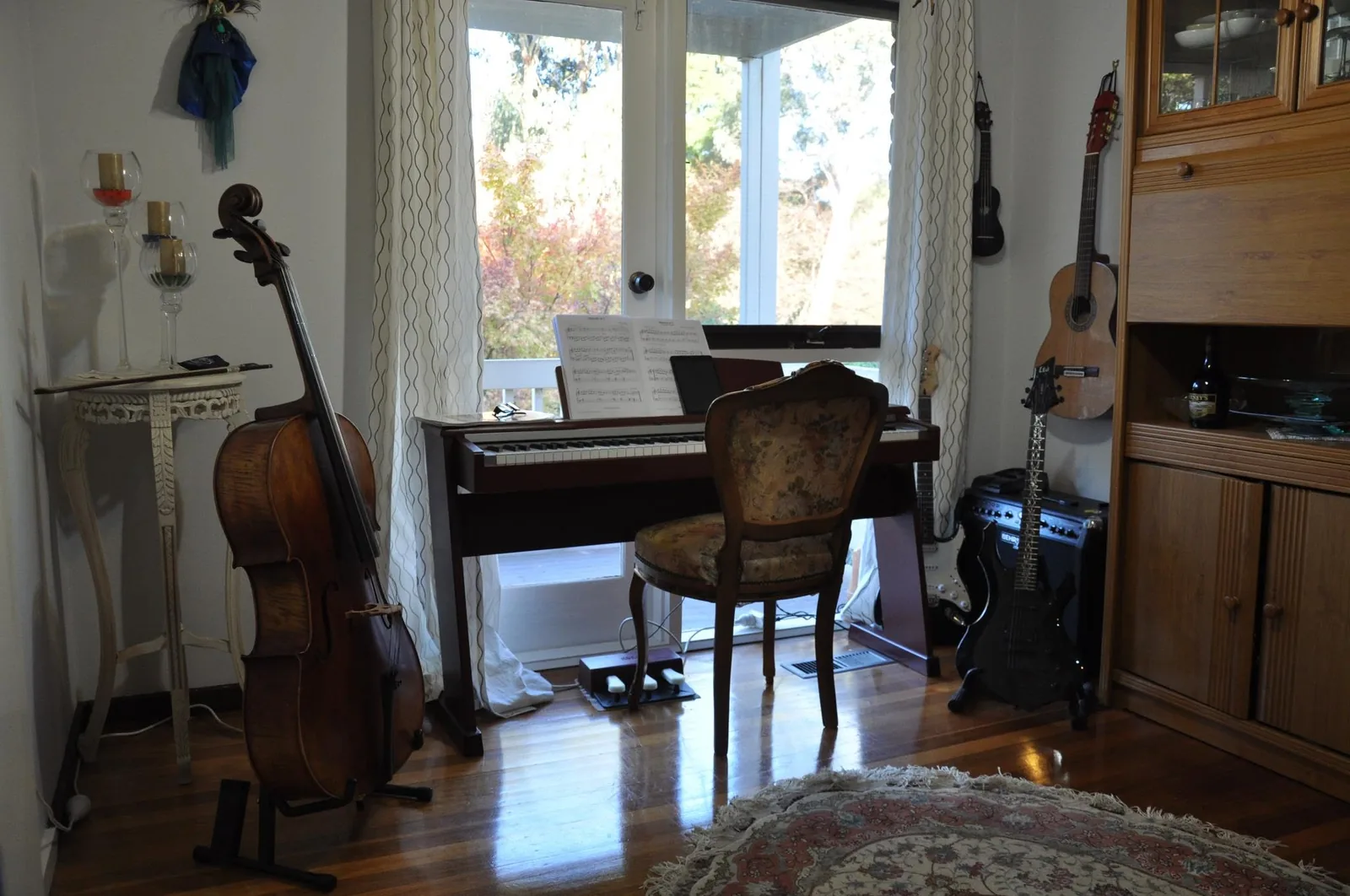
Azeri went in first. It's the language of my family, the one the house ran on, and it's where I learned the thing about fluency that monolingual people never quite believe: fluency is not a switch, it's a floor plan. In Azeri I own certain rooms outright. I can be fed in it, fussed over in it, told off in it with a precision English will never match. What I cannot do is work in it. I have never argued philosophy in Azeri, never explained a diagnosis, never talked through a design decision; I wouldn't know where to begin, because the vocabulary of my interior life arrived after the handover. I could probably comfort someone in Azeri better than I could in English. I could not consent them for a procedure in it to save my life. Half my languages are like this: whole wings of a building, furnished exactly as they were left, decades ago, by a small child.
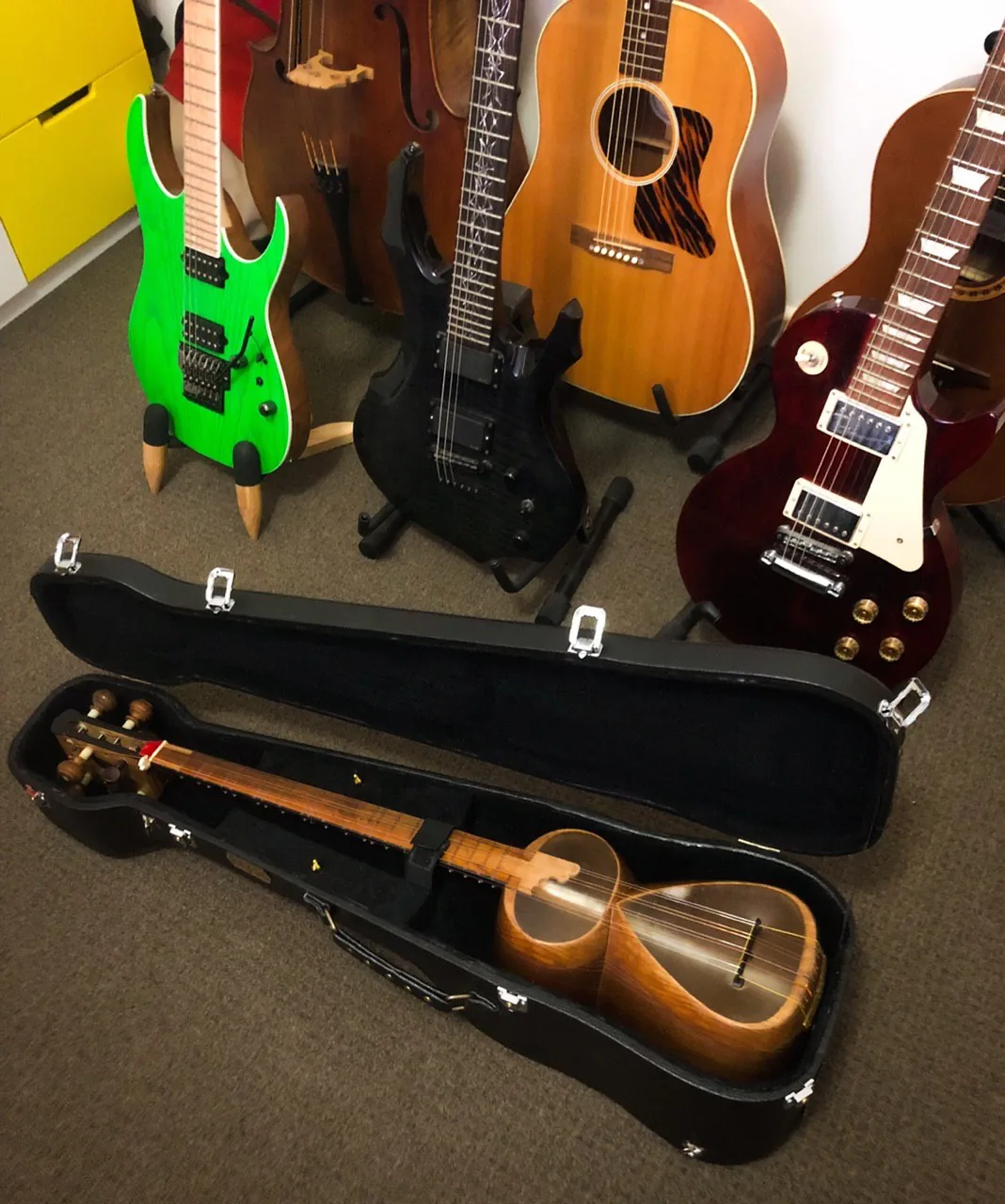
Turkish came free with the layover. Two toddler years in Turkey, on top of the family discount: Azeri and Turkish are close cousins, both from the same Turkic branch, near enough that each hears the other as a familiar song played at the wrong speed with some of the words swapped. So my Turkish is real but time-skewed, and speaking it in the wrong company earns me the specific affectionate correction reserved for relatives from somewhere else. It holds tune. It needs new strings.
Farsi is the strange one. It's the official language of the country on my birth certificate, the one strangers expect the moment they learn where I was born, and it's the one I can understand and barely speak. This calls for the small explanation every Azeri abroad ends up giving: that Iran is not one language, that Tabriz runs on a Turkic tongue, that the Persian everyone assumes is my inheritance was always the state's language more than my family's. Had we stayed, school would have installed it properly. We didn't, so it sits where it sits. I can follow a conversation in Farsi almost completely and contribute to it almost nothing. It is exactly like standing at a window: I can see everything happening in the room, and I cannot get in.
My son is now at about the age I was when the fork happened to me. Watching him at this age is watching the machinery I can't remember: the rate of acquisition, the sheer indiscriminate appetite of it, a small system hoovering up whatever language is in the air with total confidence that this is the one. At exactly his age, my download got rerouted mid-transfer, and the seams from that reroute are the states of repair this essay is about. Which raises the question I haven't answered and won't pretend to here: what do I pass on? You cannot bequeath a language you keep in the shed. A tongue survives a generation the way anything survives, by being used in front of the heir, and I'm honest enough to admit I don't yet know how much using I'm going to do.
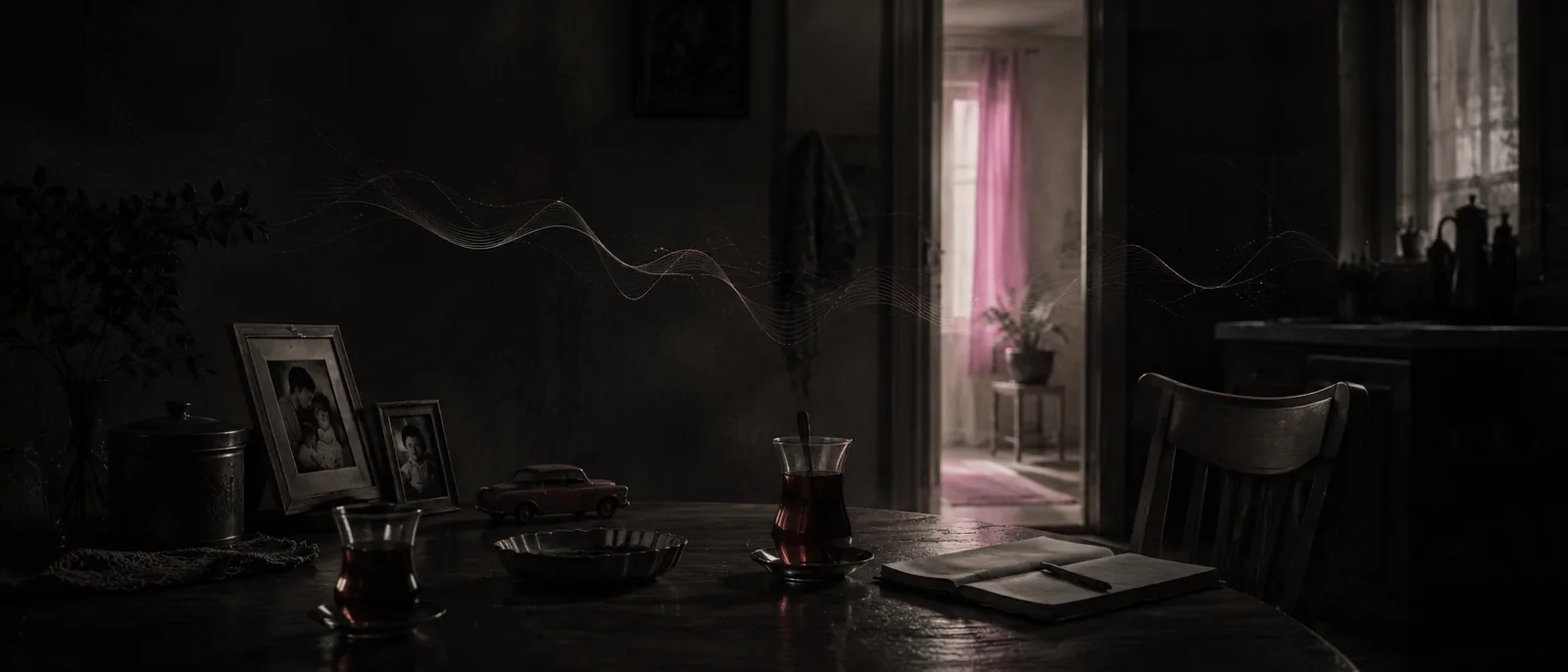
Here's the part that reframed the whole inventory for me, and it comes from the day job. Anyone who has worked around dementia has seen what it can do to a multilingual mind: as the disease strips things away, the languages tend to peel off in reverse order of arrival. Last in, first out. People who spent fifty years living, working and raising children in English can drift back, near the end, toward a tongue from a childhood their own kids never saw, and a family suddenly needs an interpreter to visit their mother. It isn't universal and it isn't tidy, but the pattern is real, and it means I should be careful claiming English does all the heavy lifting. English is the language I live in; the neurology politely suggests the tenancy is less secure than it feels. The language in the worst repair might be the one wired in deepest, kept in the room where the lights stay on longest.
There's an irony in here I may as well sign for. I spend my working week on the maintenance of language in machines: evaluating it, structuring it, fussing over its failure modes, in English, obviously, while my own first language quietly deprecates in the background like a service nobody is monitoring. And I won't romanticise the deprecation, because the romantic version is a lie people tell themselves to avoid the maintenance. An unused language is not asleep in some vault, waiting faithfully. It fades, for real, the way anything unfed fades. Keeping it would be a choice made of ordinary, boring practice, and so far I have mostly made the other choice, by omission, the way most expensive choices get made.
But one room stays open without any effort from me at all. Azeri is the language my mother loves me in. It's the language the affection arrives in, unprompted, mid-sentence, in the middle of an ordinary Tuesday, and no line of English has ever done to me what one line of it does arriving from her. So the inventory stands corrected. You maintain the instruments you play. And there's one on the wall you barely touch that turns out, on inspection, to have been maintaining you.
Prefer the full experience? Read this essay in the house. Machine-readable: markdown source.