Loud enough to think
The loudest room in the city is the quietest my head ever gets. On metal gigs, the etiquette of the pit, and why a man in his thirties keeps buying black t-shirts.
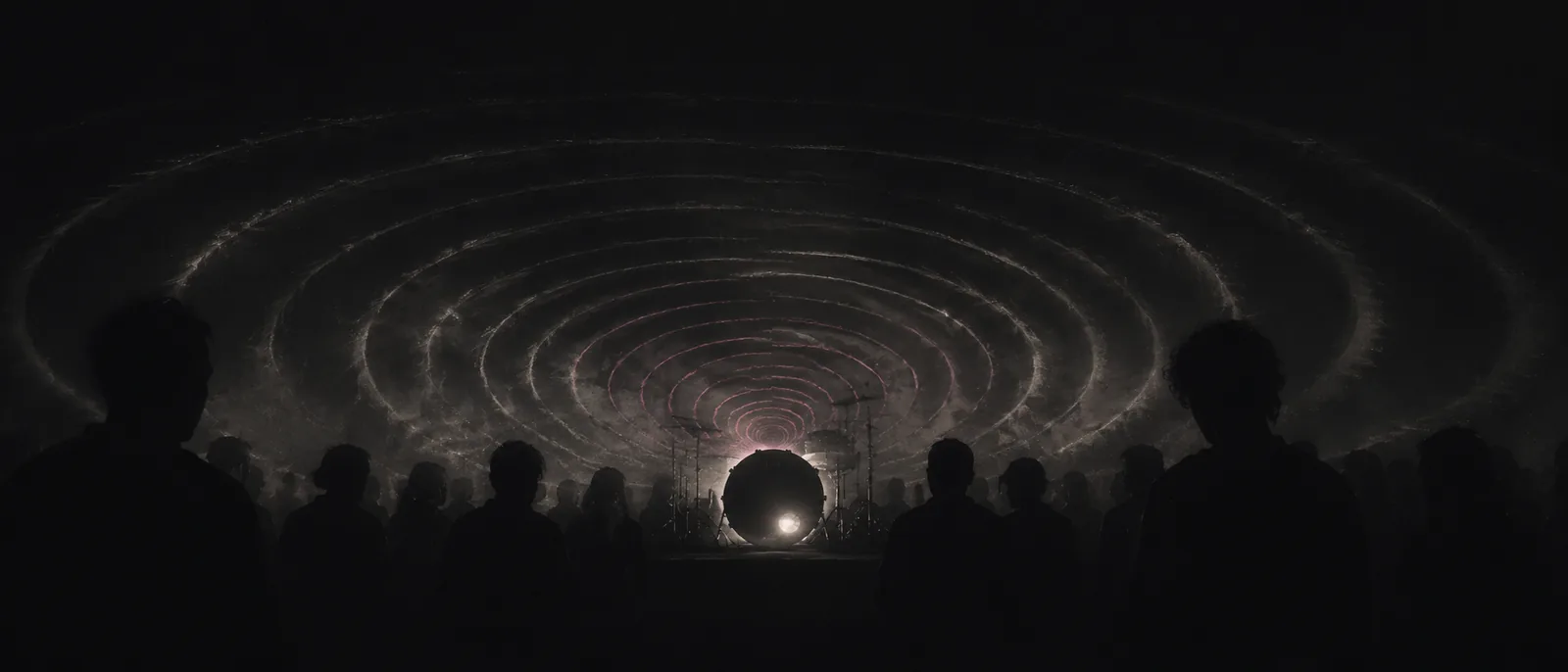
People who have never been to a metal gig ask a version of the same question, usually with a facial expression they think they're hiding: isn't it just noise? And they're braced for me to get defensive about it, which is a shame, because the honest answer is more interesting than a defence. The answer is that the loudest room in the city is the quietest my head ever gets, and I've spent years working out why.
Start with what a gig physically is, because the recorded version tells you almost nothing. Live metal begins in the sternum. The kick drum and the low end arrive as pressure before they arrive as sound; you feel the music structurally, the way you'd feel a door slam in your chest, and everything above it, the guitars, the vocals, the cymbals turning the air to static, sits on top of that physical foundation. Recorded metal is a photograph of weather. The gig is the weather.
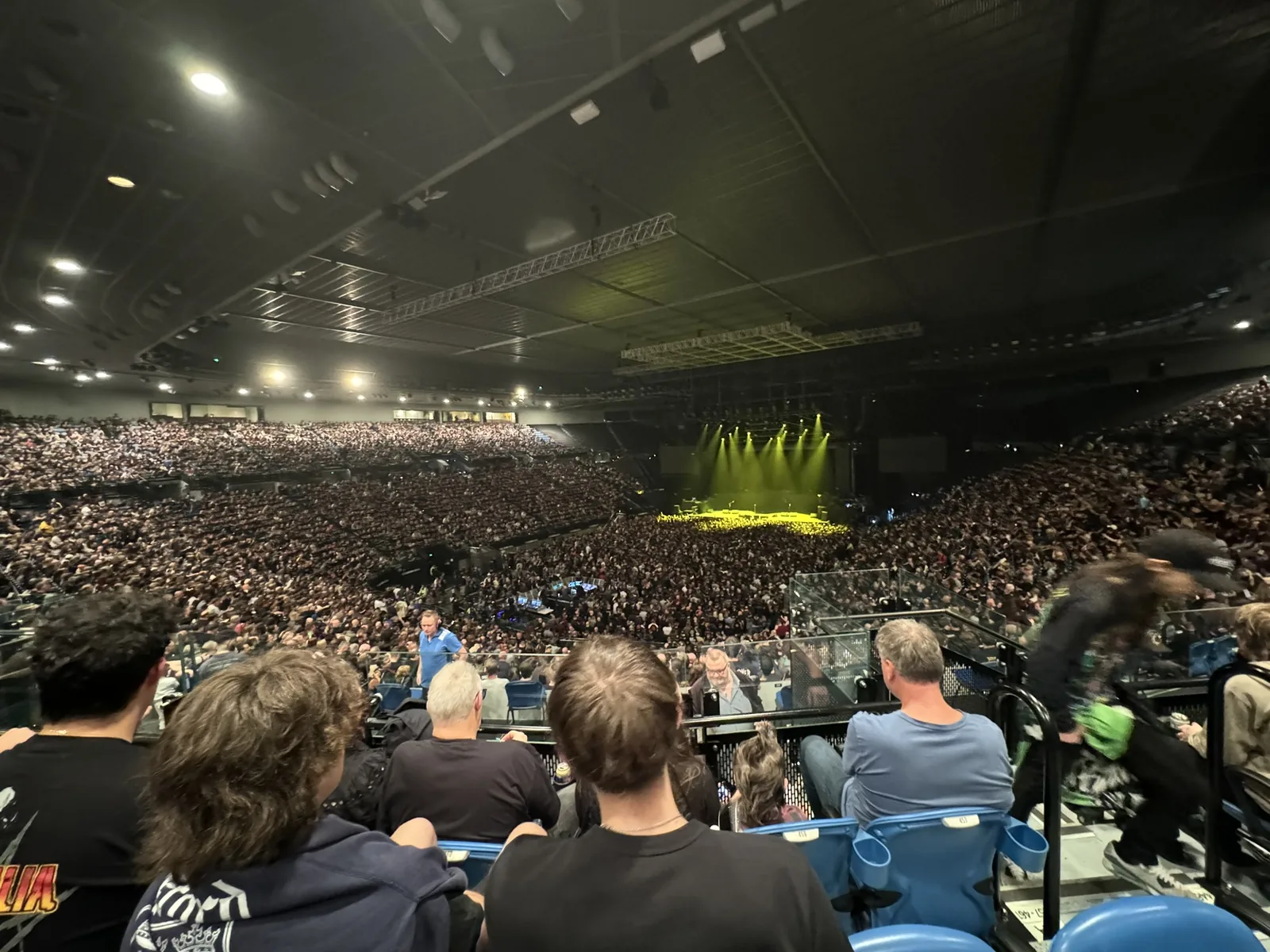
Then there's the room itself, which does something I've never found anywhere else. A few hundred strangers, no small talk, no networking, nothing required of anyone, all locked onto the same downbeat. When a whole crowd hits the same accent at the same instant, that unanimous half-second of violence in perfect agreement, something happens that I can only describe as communion, in the fully secular sense: a room of individuals briefly running as one system. And around the edge of it, the famous contradiction that outsiders never believe until they've seen it: the pit, which looks like a fight and functions like a village. Someone goes down, and the entire thing stops, arms appear from everywhere, the fallen are hauled upright, checked, and released back into the maelstrom. There's more spontaneous care per square metre in a mosh pit than in most office buildings. It just wears a different shirt.
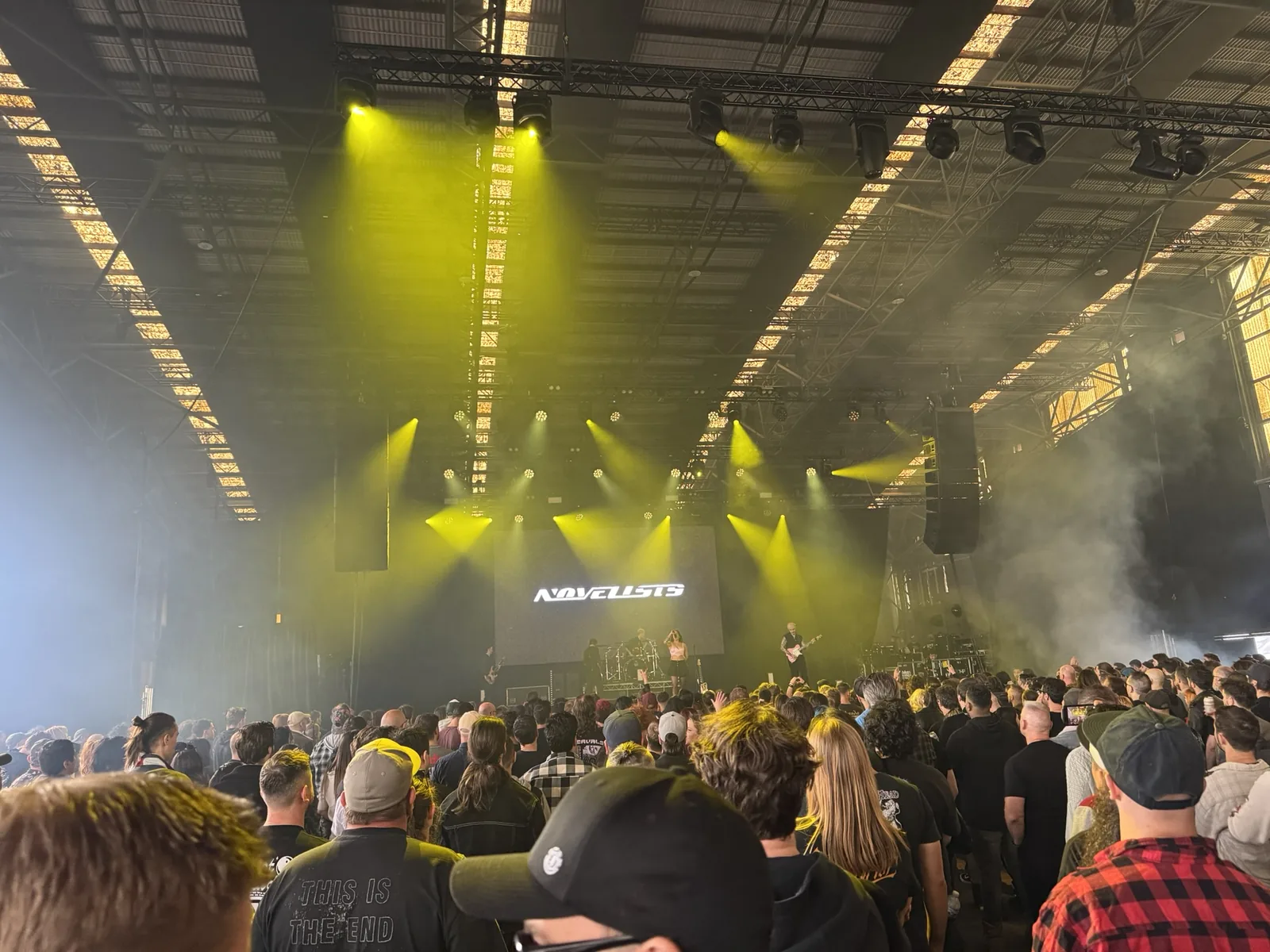
My corner of the genre, I should admit, is the nerdy one. Prog metal crowds are their own comedy: nobody moshes, because you can't mosh to a bar of eleven, so the room just nods, in unison, in time signatures that would hospitalise a normal person. What a prog crowd is actually doing is watching mastery. The pleasure is the same one people get from elite sport: humans at the absolute edge of what hands can do, executing material of absurd difficulty, live, no net, and you can hear a whole room hold its breath before a passage everyone knows is nearly impossible. It's sport for people who peaked in music theory, and I say that with my whole chest, front row of the accusation.
And above it all, for me, one band. Opeth has been my north star for most of my listening life, and hearing that catalogue live is a particular experience: music that swings between genuine brutality and passages of almost unbearable gentleness, sometimes within a single song, played by people who treat the whiplash as the point. When several hundred people go, in the space of one bar, from a wall of noise to near-silence, all together, holding it, that's the moment I'd take a sceptic to. Not the loud part. The quiet part that the loud part built.
Now, the demographics, since I'm apparently part of them. Metal crowds age with their bands and nobody ever really leaves; they just accumulate black t-shirts until the wardrobe reaches event-horizon density. There's a specific rite of passage nobody announces: the day you show up with proper earplugs. Custom-moulded ones, if you've truly accepted your fate. It looks like caution and it's actually the opposite of quitting; it's the moment you admit you intend to do this for the rest of your life and would like to still hear the hi-hats at seventy. I stand further back than I used to, as well, and here I have to confess to a crime of character: years of obsessing over sound have ruined me for standing just anywhere. The best-mixed spot in any venue is near the sound desk, that's where the engineer is making their decisions, and yes, I'm the man who arrives at a metal gig and positions himself for optimal imaging, usually beside a mate who has learned not to ask.
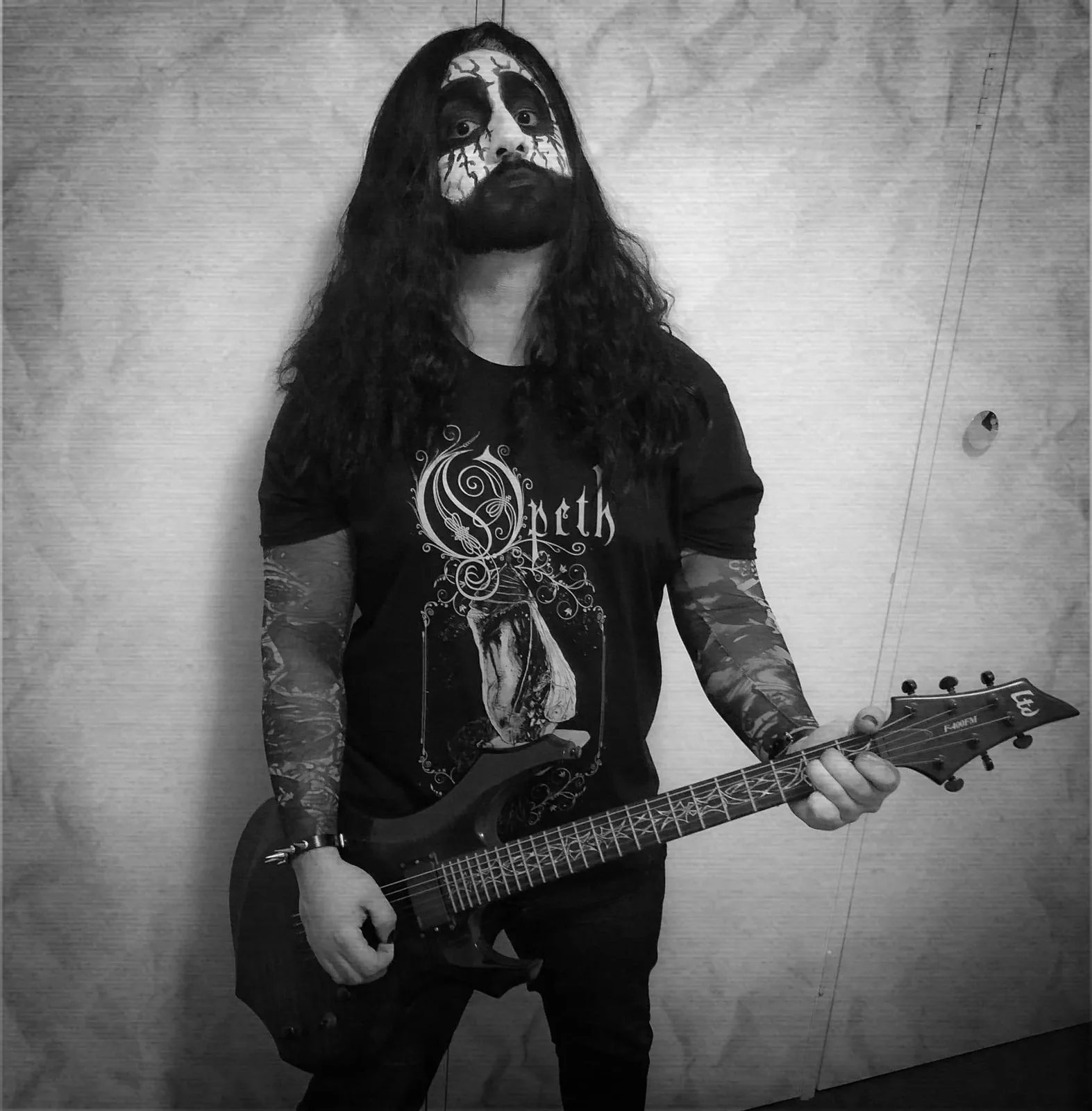
Which brings me back to the question of why the loudest room produces the quietest head, because I don't think it's mysterious anymore. Music that dense, at that volume, with that much physical presence, is a total occupation. It requisitions everything: the ears, the chest, the eyes, the prediction machinery that's tracking a riff through its seventh mutation. There is no bandwidth left over, and the background process that narrates and plans and frets through every other hour of my life simply gets no allocation. It's not that you think clearly at a gig. It's that, for two hours, the thinking that never stops finally does, and what's left in the space it vacates feels less like noise than anything in my ordinary week. People pay good money for apps that promise a fraction of that. I pay for tickets, and I get a t-shirt.
Black, obviously. There's a system.

Prefer the full experience? Read this essay in the house. Machine-readable: markdown source.