You can buy a better one
A factory guitar is better than my best build. A cabinetmaker would have done the room faster. Everyone who makes things gets asked why. This is the actual answer.
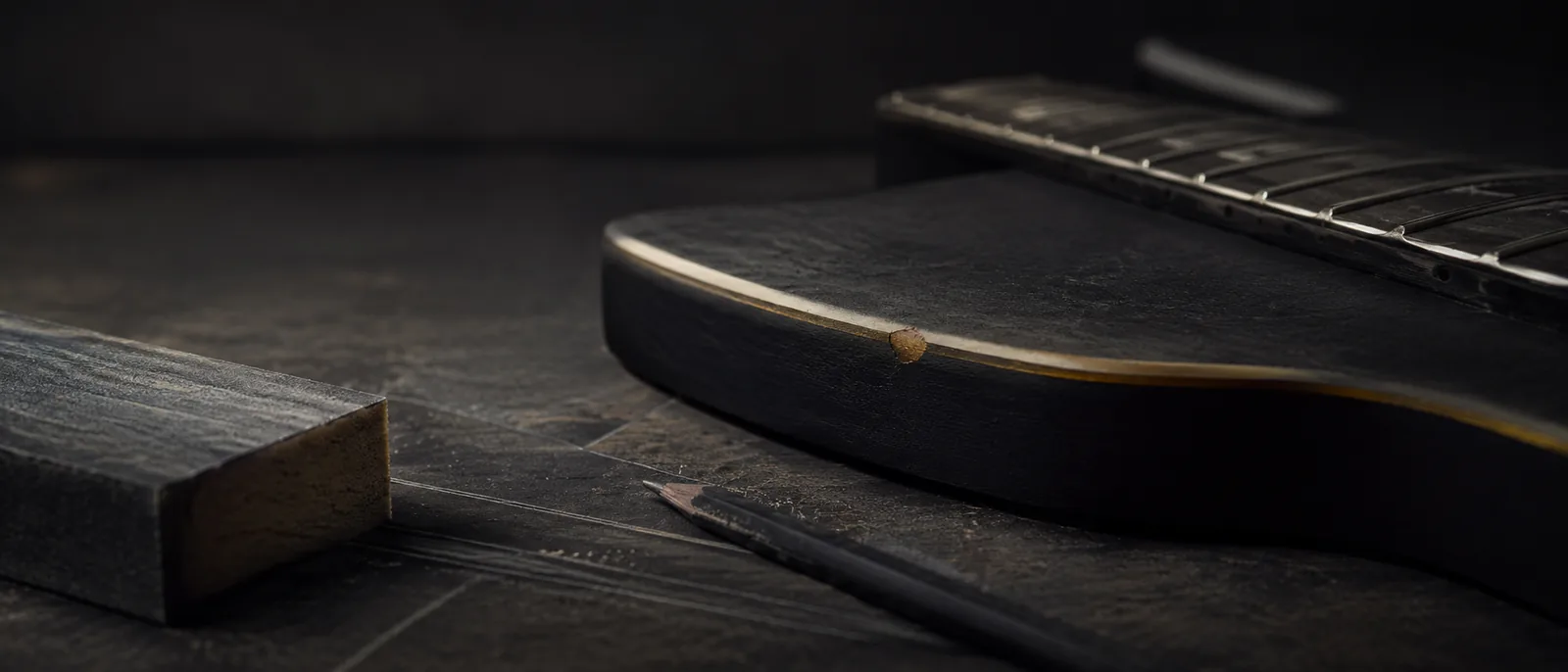
Every maker eventually gets the question, usually delivered kindly, over the top of whatever they've just spent forty hours on: couldn't you just buy one?
And the answer is yes. Obviously, yes. A mid-range factory guitar is more consistent than my best build. A licensed builder would have finished my room in a fraction of the time. The keyboard I soldered has a superior mass-produced twin. On every axis a spreadsheet can see, the bought thing wins, and anyone who tells you their garage output beats industrial manufacturing at its own game is lying to at least one of you. So the question deserves a real answer, and I've had enough years and enough workbenches to have worked mine out.

First, clear away the wrong answers, because the wrong answers are what makers say when they're embarrassed. It's not to save money: once you cost the tools, the materials, the scrapped attempts and the hours, making is the most expensive way to acquire almost anything. It's not because handmade is better: mostly it isn't, or not for years, and "artisanal" is frequently a synonym for "worse, with a story". And, this is the one that took me longest to admit, it's not really for the object at all. The objects are lovely. The objects are also beside the point.
Here's what it's actually for.
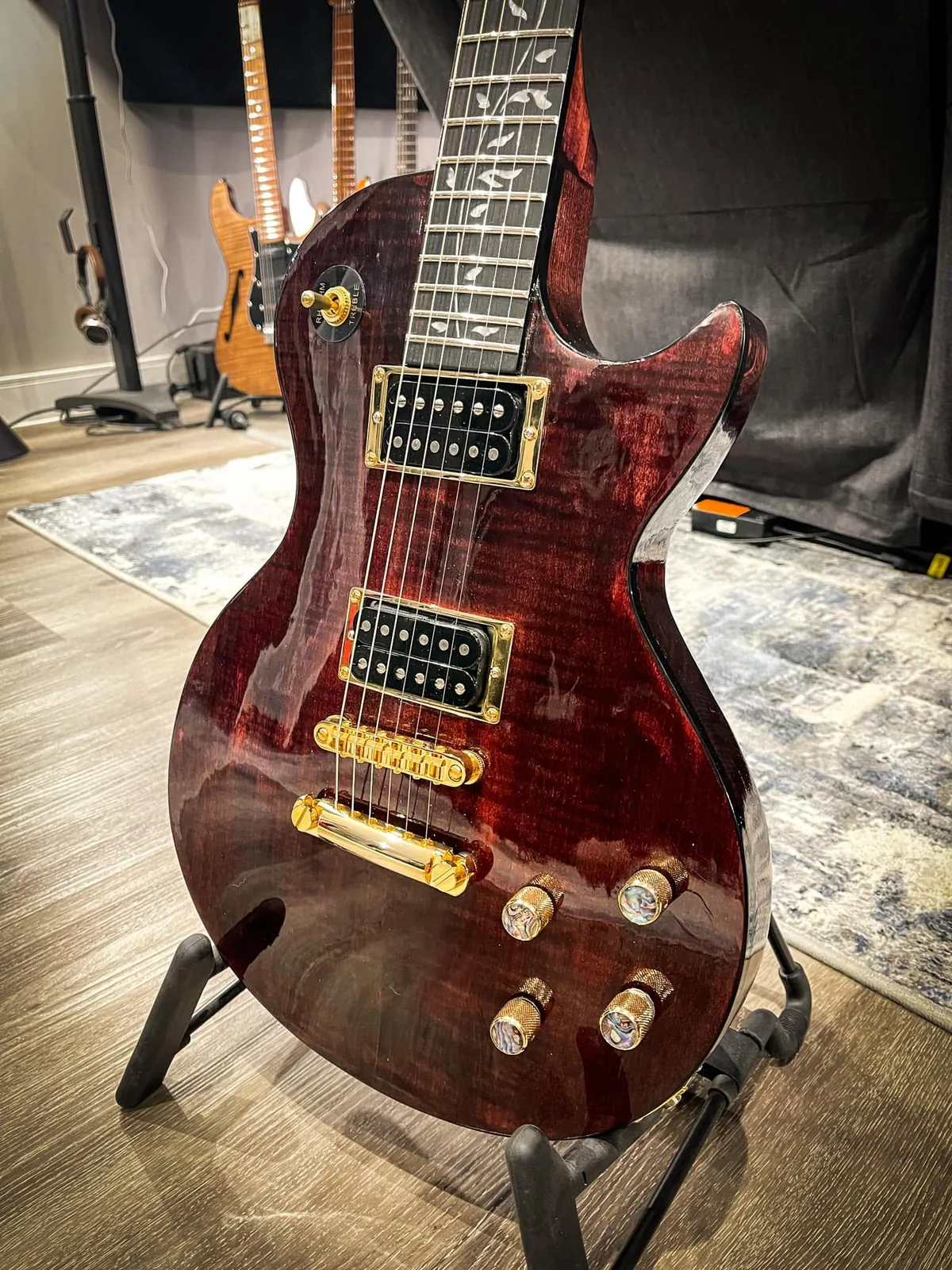
The first thing is understanding, of a kind you cannot buy or read your way into. Once you have built even one crude example of a thing, every other example of it becomes legible forever. I cannot pick up a guitar in a shop anymore without reading it: the fretwork tells me about the factory's patience, the finish tells me what corner was cut and where they hoped I wouldn't look, the neck tells me things its own marketing doesn't know. Making installs knowledge underneath language, in the hands, where it doesn't fade. I understand rooms differently since framing one, electronics differently since burning myself on them, food differently since cooking seriously. The bought object gives you the thing. The built object gives you the thing plus X-ray vision into every other instance of it, for life.
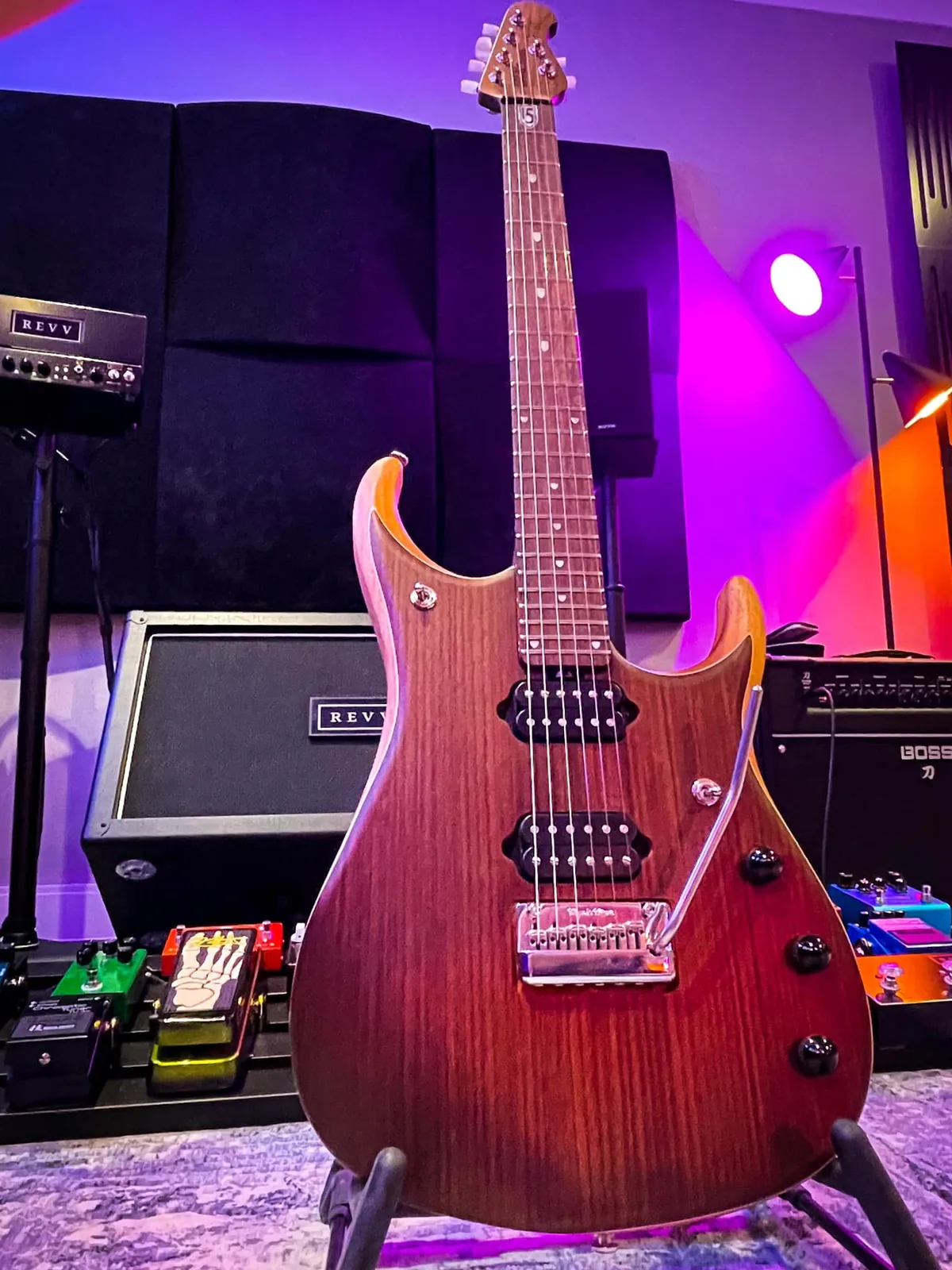
The second thing is agency, and this one compounds. Every completed make performs a small permanent conversion in your head: some category of problem moves from someone should deal with that into I'll deal with that. It sounds trivial. It is not trivial. The eighteen months I spent rebuilding a flooded room only happened because a hundred smaller makes had already run that conversion on carpentry-shaped problems, electronics-shaped problems, finish-shaped problems. Competence is a lattice: every skill you add makes the neighbouring skills cheaper to acquire, and the eventual result is a general belief, sturdy enough to stand on, that the physical world is negotiable. People who make things walk around inside that belief. It's the best thing I own and it didn't come from a shop.
The third thing is the state, and I'll describe it plainly because everyone who makes things knows exactly what I mean and almost nobody says it. My head does not idle. It never has; there is a background process that runs on everything, all the time, and most forms of rest don't touch it. Making does. Hands occupied with something that has tolerances, attention narrowed to the width of a cut or a solder joint or a brush stroke, and the background process, for once, goes quiet. People reach for "cheaper than therapy" here, which undersells it. It's the only meditation I've found that produces furniture.
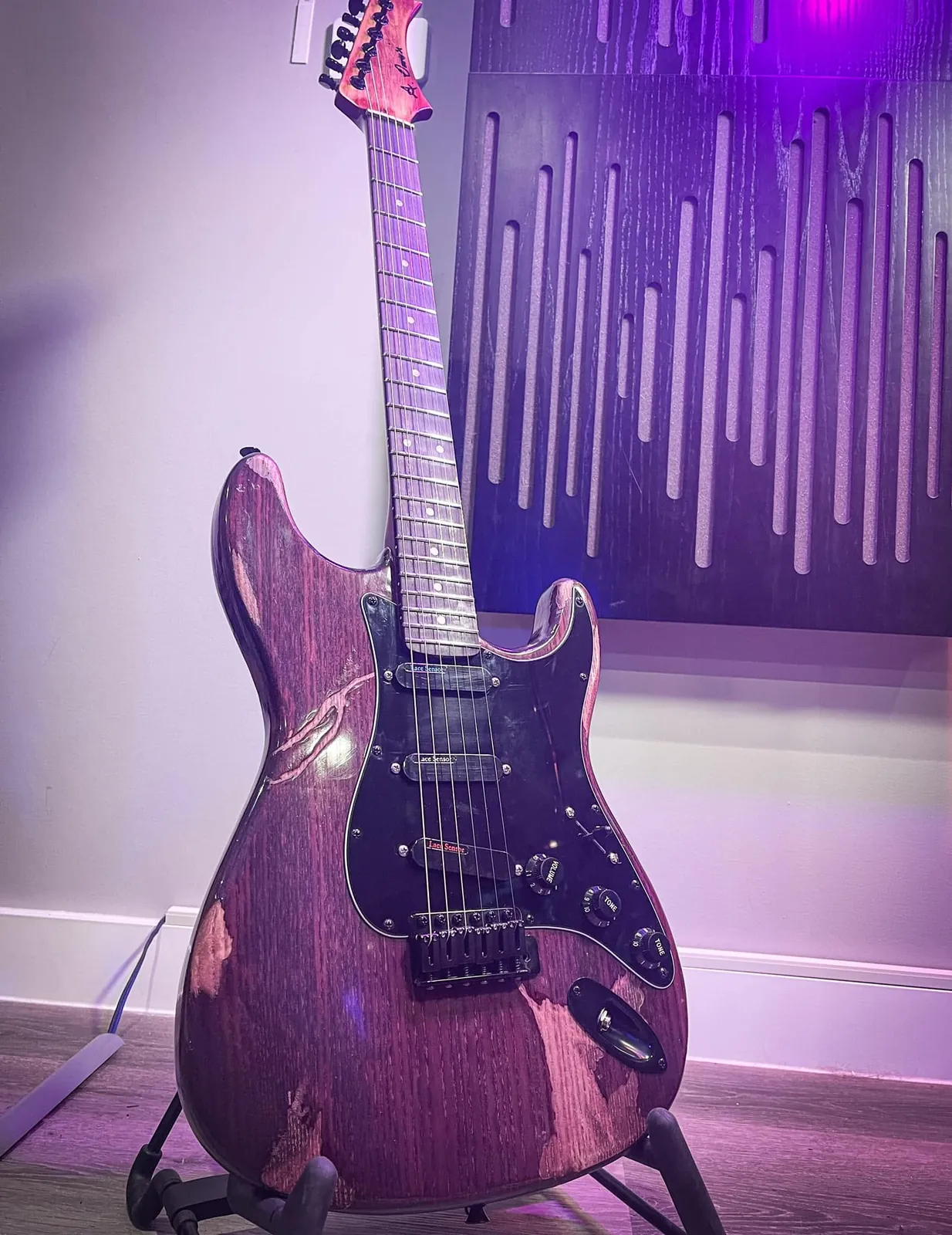
There's a fourth thing, less comfortable, and I think it might secretly be the point. Bought things fail as the manufacturer's fault. Made things fail as yours. Every flaw in that room, every buzz in a fret I dressed, is signed. No warranty, no one to ring, no review to leave: just you and the consequence of your own hands, permanently on display in your own house. That sounds like the downside and it's actually the product. Total responsibility for an outcome is nearly extinct as an experience; almost everything in modern life comes with someone else to blame, and the blame is a comfort that quietly makes you smaller. The bench doesn't offer it. What the bench offers instead is the other thing: when it's good, it's yours, all the way down, and no purchase has ever once felt like that.
The subjects rotate, and always have: timber, then solder, then paint under magnification, then a sauce reduced with the same attention I'd give a fret crown. The rotation used to look like flightiness to me. It doesn't anymore. It's one practice wearing different aprons: understand the thing, make the thing, get honestly judged by the thing, repeat.
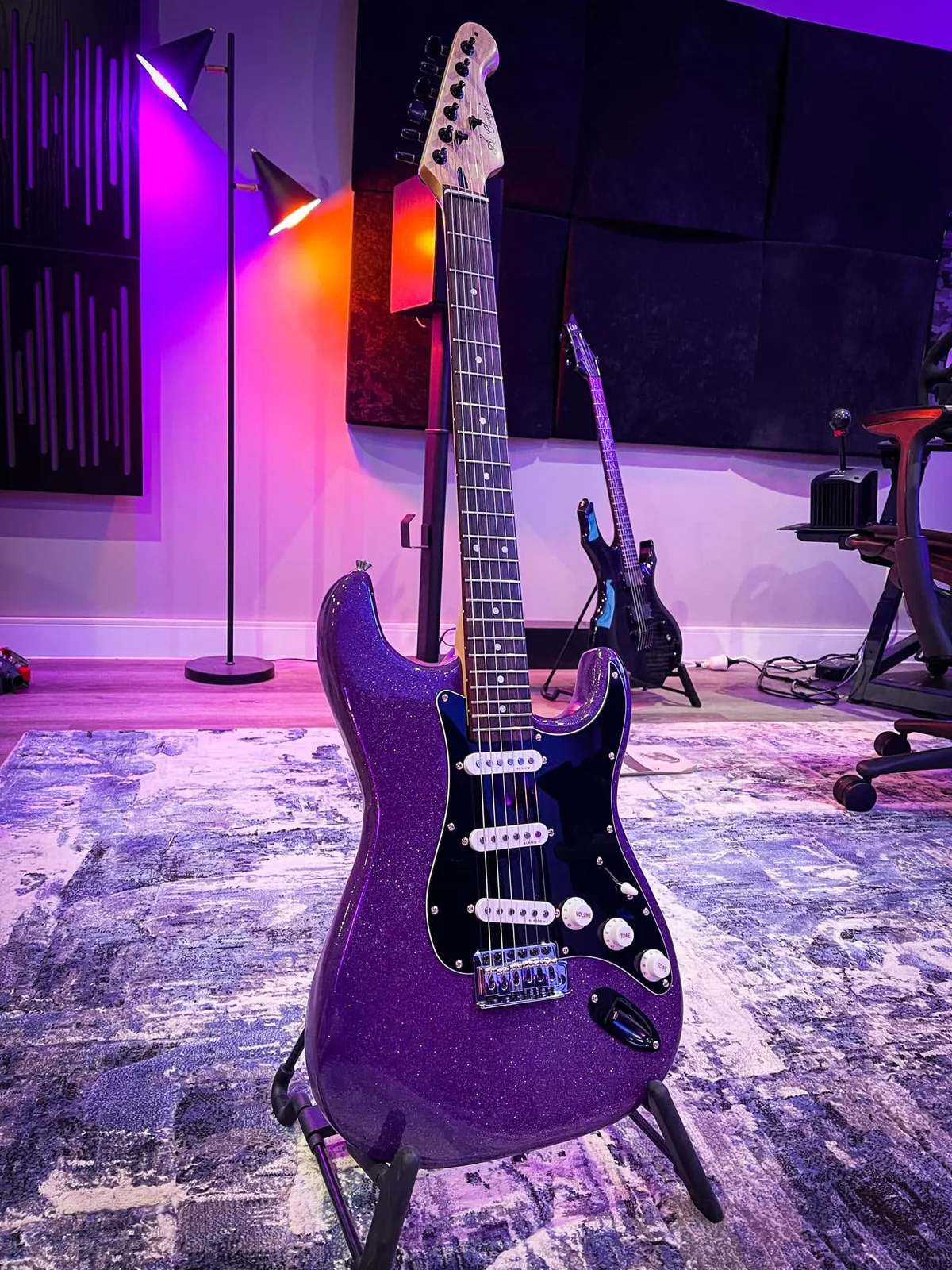
So yes. You can buy a better one, and I frequently do; the making was never in competition with the buying. The objects on the wall and in the racks are just receipts. The build was the purchase.
Prefer the full experience? Read this essay in the house. Machine-readable: markdown source.